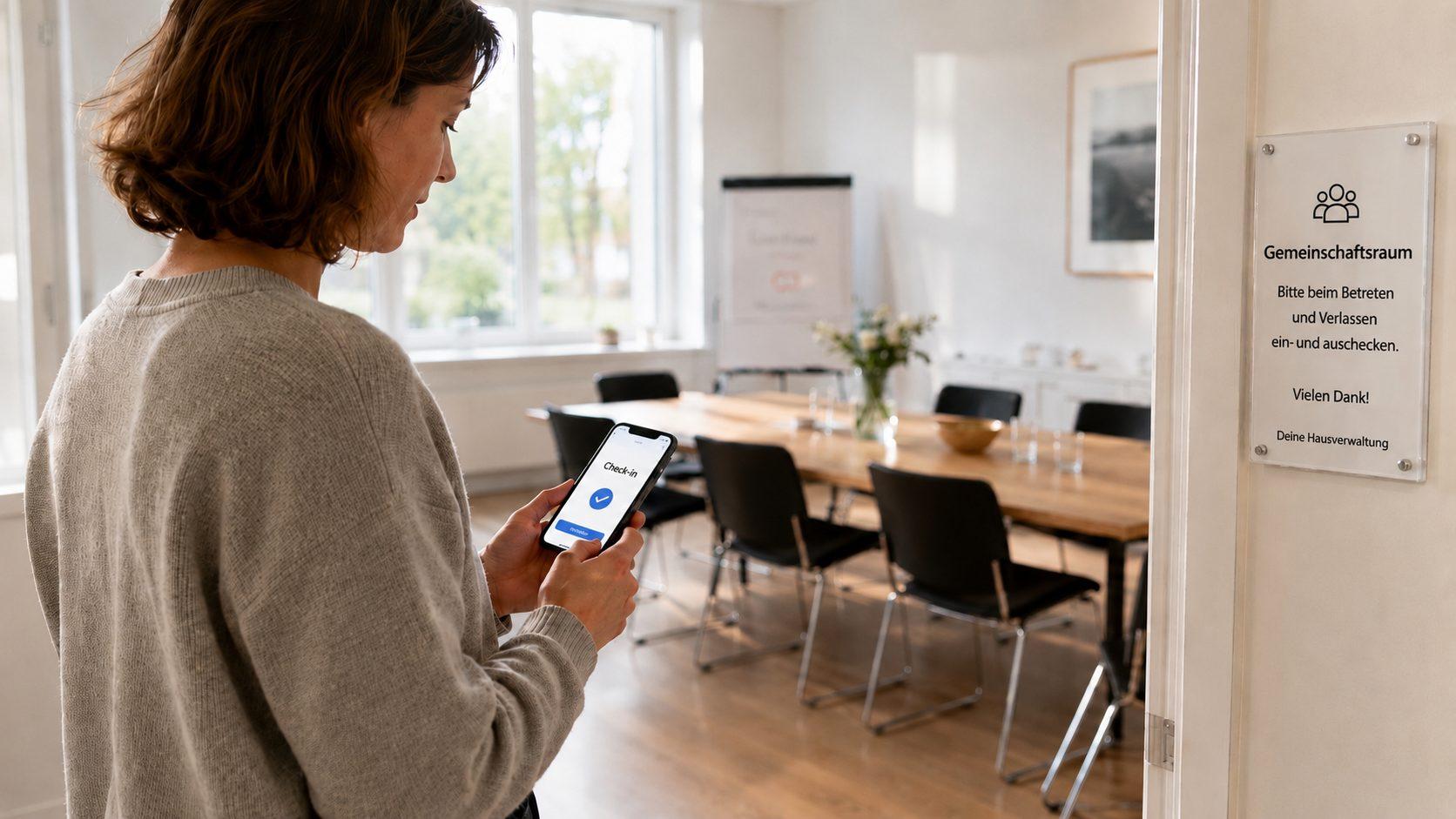
Many companies, associations, churches, municipalities and non-profit organisations own attractive spaces that are only used to a limited extent. Parish halls, clubhouses, event rooms, community rooms, barbecue huts or seminar rooms often serve their primary purpose first. After that, they remain empty — sometimes regularly, sometimes only at certain times, but often enough to raise a simple question: could these spaces do more?
Plenty of demand, plenty of effort — and an untapped opportunity
At the same time, there are many situations in which people or organisations are looking for exactly these kinds of spaces: for workshops, courses, meetings, celebrations, neighbourhood gatherings, sports activities, seminars, club activities or smaller events. Not every room will automatically become a popular event location. But many spaces are more relevant than their current level of use suggests.
In practice, better utilisation rarely fails because of the idea itself. It more often fails because of the effort involved: enquiries by email, availability checks in Excel, coordination with caretakers, boards or administration teams, manual invoices, key handovers and questions about equipment. And at the latest when rubbish is found in the room on Monday morning or damage becomes visible, one thing is clear: making rooms available is more than a calendar entry.
This is exactly where a real opportunity lies. Existing rooms can now be made bookable online and digitally supported much more easily. This can create additional income, simplify processes and make the use of existing infrastructure more transparent.
Two starting points: already doing it — or not yet thinking about it
Organisations with rooms usually find themselves in one of two situations.
The first group already rents out rooms occasionally. It works somehow, but often involves a lot of manual work. An enquiry comes in by email. Someone checks the calendar. Then the organisation has to clarify internally whether the room is available, who will open it, what equipment is needed and how payment or invoicing will work. Every booking creates coordination effort — and the more demand there is, the less well the process scales.
For these organisations, the main goal is to make existing workflows simpler, more professional and more reliable: fewer follow-up questions, fewer spreadsheets, less manual coordination and less effort per use.
The second group has not yet systematically considered making rooms bookable at all. This is often where real potential lies: churches with parish halls, associations with clubhouses, municipalities with community centres or barbecue huts, companies with seminar rooms, or housing companies with shared community spaces.
For these organisations, the key question is different: could existing rooms create additional value if they were easier to find, book and use?
It does not always have to be commercial rental
Making rooms bookable does not automatically mean turning them into a commercial business model. Some organisations want to generate additional income. Others want to allocate rooms more fairly, organise internal use more effectively, enable bookings for members, structure community services or avoid double bookings.
A room can be bookable for a fee or free of charge. In both cases, a digital process is helpful. When rooms are offered for a fee, revenue is often the main driver. Spaces that previously sat empty can help finance operations, cleaning, maintenance or non-profit work. When rooms are offered free of charge, the focus is more on transparency, reliability and fair allocation.
In both cases, the same principle applies: a room is not used better just because there is a PDF price list somewhere. It is used better when the path to using it becomes simple.
Why many rooms stay below their potential
Many rooms are not empty because they are unattractive. They are empty because using them is too complicated.
If every booking triggers a small administrative exercise, making rooms available quickly becomes unattractive. A single rental might bring in some income, but it also creates coordination, invoicing, key management, follow-up questions and post-use checks. Especially in smaller organisations, a lot often depends on individual people. If that person is unavailable or does not have time, the room effectively remains invisible.
Digital booking processes change this logic. They turn a manual one-off coordination effort into a repeatable process.
The first step: making rooms bookable online
Getting started does not have to be complicated. Often, the first step is simply to make rooms properly bookable online.
This means users can see which rooms are available, what equipment is included, which rules apply and what costs may arise. They can submit a booking or request digitally. The organisation receives all relevant information in a structured way and no longer has to piece it together from emails, phone notes and spreadsheets.
Even this first step can make a significant difference. Availability becomes more transparent. Follow-up questions are reduced. Bookings are documented centrally. Prices, rules and terms of use become clearer. Invoicing or payment processes can also be prepared or integrated more easily.
For organisations that already rent out rooms, this creates efficiency. For organisations that have not done so before, it lowers the barrier to entry. “That would actually be a good idea, but who is going to organise all of it?” becomes: “We can test it with one room.”
Not just booking: the use itself has to work
The key point is this: a room is not used when it is booked. It is used when someone can reliably enter it, use it and return it in good order.
This is often where the real effort lies. Who opens the door? Which rules apply? Was the room in good condition at handover? Was there any damage? Was it cleaned up after use? Who can be contacted if something does not work?
That is why digital room allocation should not end with the booking. The actual usage process can also be supported digitally — even if access itself is not yet automated.
Users can receive information in advance, confirm the rules, complete a short check-in when they start using the room and digitally check out when they leave. If something is not right, they can leave a message or upload a photo. Problems become visible earlier, responsibilities become clearer and follow-up questions become less frequent.
This is not a major technology project. It is the difference between “We hope everything works out” and “We have a process that supports the use.”
This point in particular can give organisations the confidence to make rooms available in the first place. Because the concern is often not only: “Will anyone find the room?” It is also: “What happens if something is not right afterwards?”
Digital access: not a prerequisite, but a useful next step
A common assumption is that if rooms become bookable online, access also has to be fully digital from day one. That does not necessarily have to be the case.
Many organisations can start with their existing access processes. The caretaker opens the room as before. A key is handed over in person. A responsible person is on site. Or an existing handover process is kept in place for the time being.
The advantage is that the organisation can quickly test whether and how the rooms are used without immediately investing in new hardware.
At the same time, digital access can be a very useful next step. When rooms are booked more frequently, when use takes place outside regular opening hours, or when key handovers become a bottleneck, digital locks, digital locking cylinders, temporary access codes or secure key handovers via smart lockers can significantly simplify operations.
The important point is this: digital access does not have to be the entry barrier. It can be added when the need is clear and it becomes apparent that usage is scaling.
More income, less effort, better transparency
The value of digitally bookable rooms usually lies in three areas.
First, additional income can be generated. Rooms that previously stood empty can be rented out or made available to specific user groups for a fee. For associations, churches, non-profit organisations or municipalities, even smaller recurring revenues can be meaningful.
Second, operational effort is reduced. Anyone already renting out rooms knows the many small steps involved in each booking. The more clearly the process is mapped digitally, the less manual coordination is required.
Third, usage becomes more transparent. Organisations can see more clearly which rooms are used, when demand arises, which user groups book and where recurring issues occur. This helps not only with day-to-day operations, but also with decisions about pricing, availability, cleaning, equipment and future services.
In short: rooms are not only managed better. They become easier to use.
What organisations should briefly check before getting started
Anyone making rooms available to third parties should clarify a few basic conditions. This is usually not an obstacle, but a sensible step.
Relevant points may include the lease agreement, ownership structure, articles of association, charitable status, tax classification, insurance, liability, fire safety or usage requirements. If rooms are offered for a fee, additional tax questions may arise. If rooms are used publicly or regularly for events, building-related and organisational requirements may become more important.
This does not have to turn into a major review project. But before rooms are made regularly bookable for external users, the basics should be clear: Are we allowed to do this? Under which conditions? For whom? For a fee or free of charge? And which rules do users need to accept?
Digital processes can help ensure that such rules are not just stored somewhere, but built directly into the usage flow.
Getting started is easier than many organisations think
Many organisations still associate digital solutions with large IT projects: long implementation phases, high upfront investment, complex installation and a lot of coordination.
With modern cloud and SaaS solutions, getting started is much easier. There is no need for an on-premise installation or a months-long migration project. An organisation can start with a small number of rooms, test the process and expand step by step.
The financial entry point does not have to be large either. Especially when only a few objects are involved, such solutions can start with low monthly costs. The key is not to implement the perfect target setup right away. The key is to choose one clear use case: an event room, a parish hall, a barbecue hut, a community room.
If the process works, additional rooms, locations or assets can be added.
From rooms to bookable infrastructure
Rooms are often the most obvious starting point. But the same logic can be applied to other assets.
A housing company can make not only community rooms bookable, but also moving trailers, tools or other shared items. An association can lend out equipment. A municipality can manage huts, sports areas or accessories in addition to rooms. A company can structure internal services around rooms, lockers or devices.
The underlying idea remains the same: existing infrastructure is not just managed. It becomes digitally discoverable, bookable and usable.
Conclusion: existing rooms can do more
Many organisations own rooms that could do more than they currently do. Not every room will automatically become a booking success. But many rooms are not empty because nobody would use them. They are empty because the path to using them is too complicated.
Digital booking can make that path much shorter. Digital support during the usage process makes it more reliable. And digital access can later be added where it creates the greatest operational benefit.
Getting started does not have to be a major project. Often, all it takes is one room, a clear process and the willingness to think about existing infrastructure in a new way.
A platform like kolula is designed for exactly this intersection: helping organisations make physical assets digitally bookable, accessible and usable — from rooms and access to service processes around actual use. This turns existing infrastructure into a simple, scalable digital-physical service.
Insights, product updates and customer stories from the kolula world.
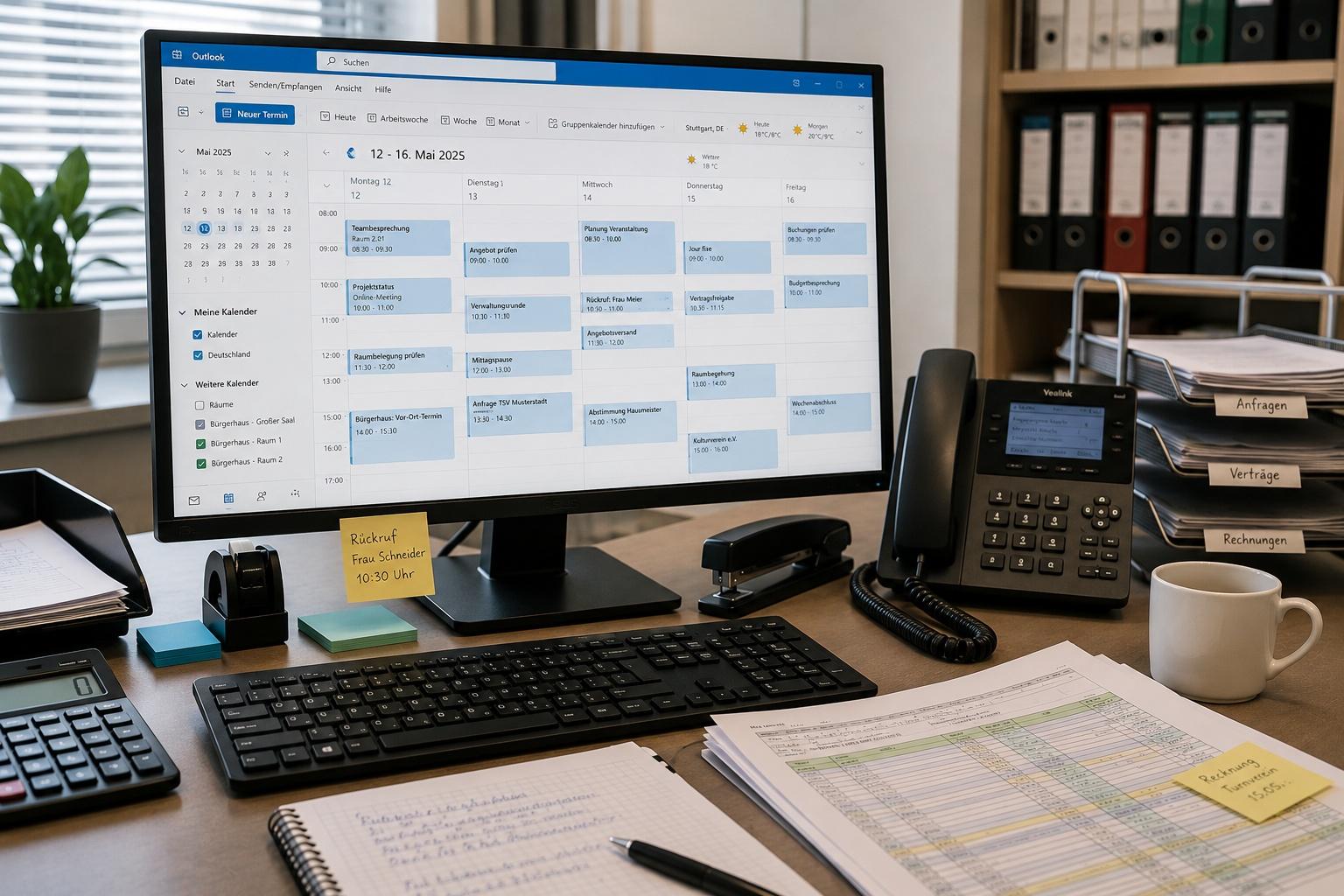
Less effort in room management: 7 common time-wasters — and how to avoid them
How digital room management reduces repetitive tasks, streamlines processes, and lightens the workload for employees in their day-to-day work.
Read article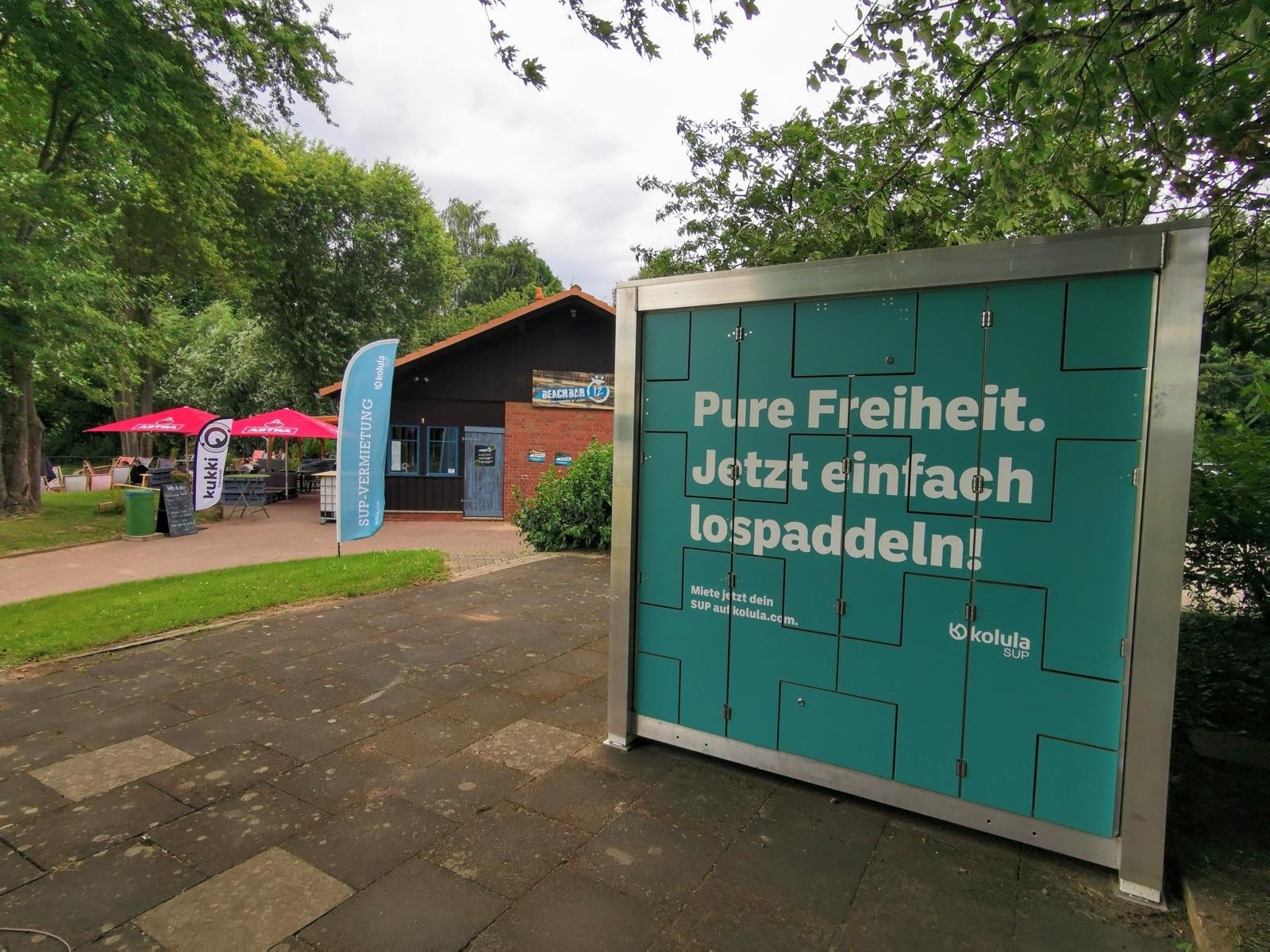
Activating public waterfront access
How towns and tourism regions activate unused shorelines — without their own budget or staff.
Read article
Community is the reward. Operations are the job.
Why the operating system of a coworking space is not the newsfeed — but booking, access and usage.
Read article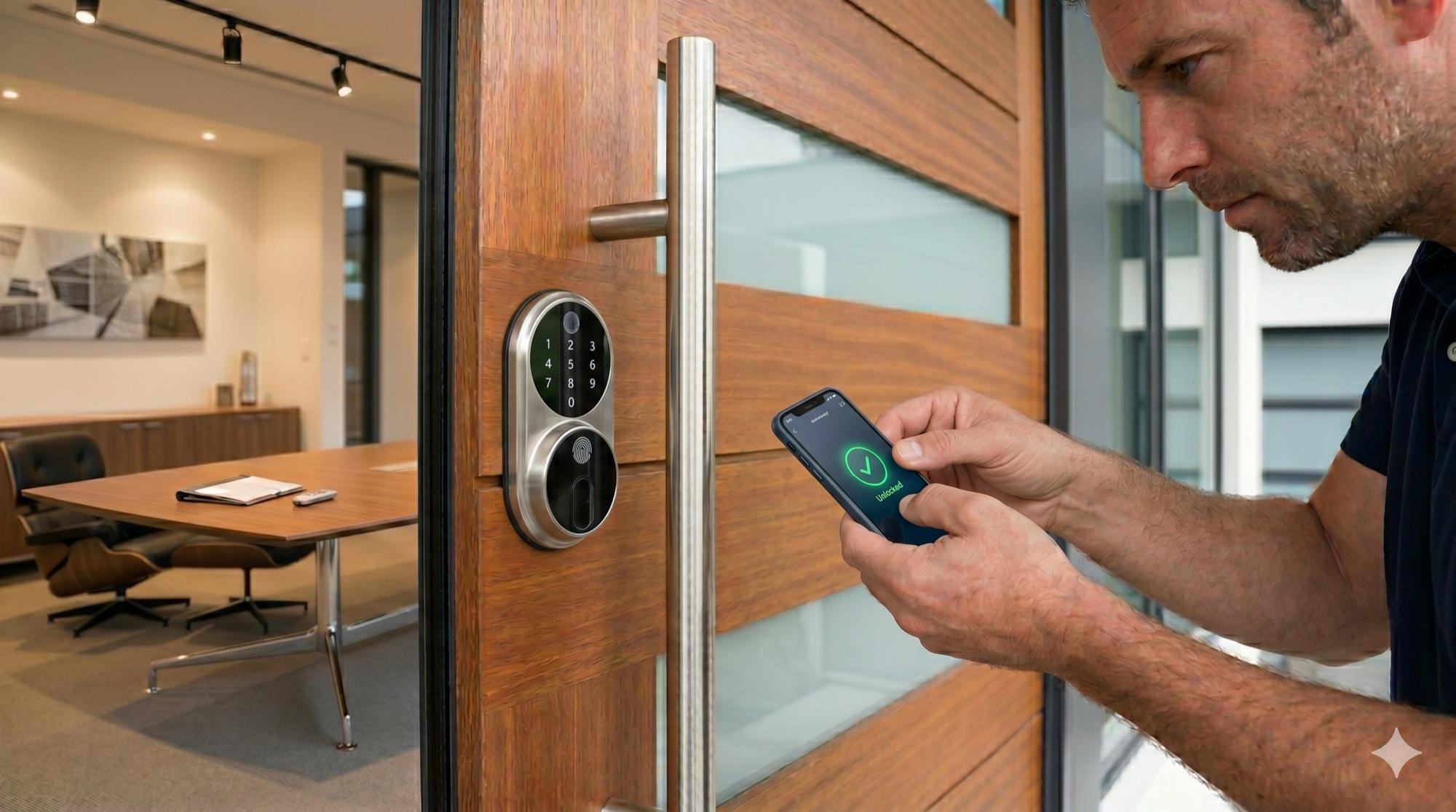
Digital access management with kolula KEY
Why hybrid access solutions are more cost-effective
Read article
Product rentals, reimagined
Rent instead of buy — sustainable, flexible and cost-saving
Read article
Private handovers, simple and secure
Smart lockers as a safe meeting point for marketplace users
Read article
Automated 24/7 guest check-in
How kolula makes key handover effortless
Read articleWant to know more?
In a short call we’ll show how kolula can map to your requirements.